

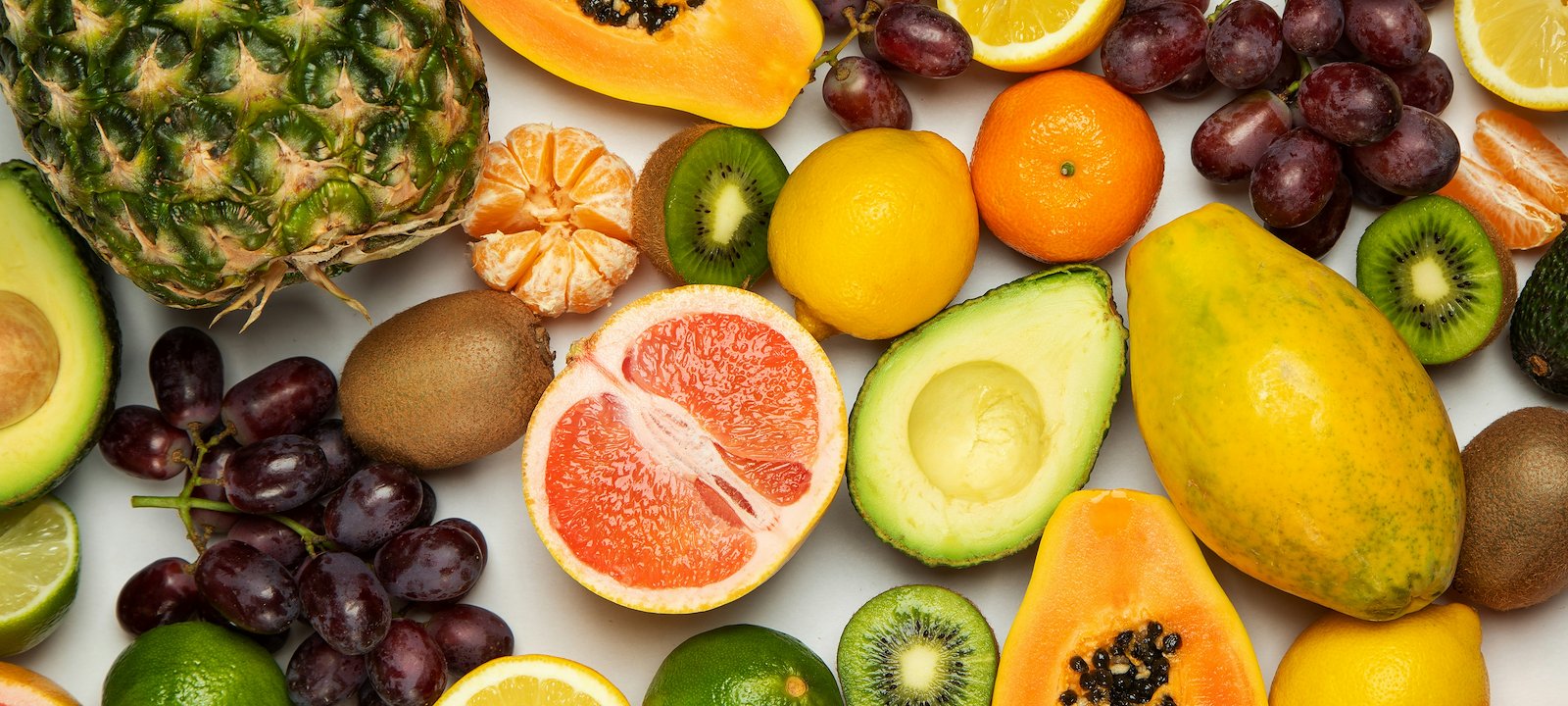
Fruits and vegetables are a great way to stay hydrated on long flights, ensuring you land feeling energized and refreshed.

Nutrition Hacks for Long-Haul Flights That Actually Work

Sometimes the excitement of traveling to a new destination or returning to a beloved favorite can overshadow the practical steps you can take to feel your best along the way. You’ve already packed your bags – and double checked that you didn’t forget your toothbrush (or that cute new outfit you bought just for the trip) – and now you’re just counting down the minutes until check-in.

But long flights can be a lot to tackle, and getting ready for them often requires some forethought. Spending hours in the air can take a toll on your body, leading to everything from dehydration, bloating, and fatigue to digestive issues and disrupted sleep schedules. While things like compression socks, noise-cancelling headphones, and a tried-and-true neck pillow can help make you feel comfortable, what you eat before and during a flight plays an important role as well.

Being intentional about your in-flight snacks and planning out what you’ll eat ahead of time can make all the difference in how you feel when you land and set you up for a successful trip. Whether you’re looking to beat jet lag and brain fog or simply ensure your gut health is in tip-top shape before sampling an array of new foods at the destination listed on your boarding pass, these nutrition hacks can help you manage long-haul flights with ease and step off the jet bridge feeling like yourself.

Prioritize Protein

One of the easiest ways to keep feeling good while traveling is by making sure your food is packed with protein. Aside from leveling out your blood sugar, protein-heavy meals and snacks can give you the energy you need to hit the ground running when you land. On top of that, it also leaves you feeling full longer, so you won’t need to eat as much on the plane. Some easy options to bring along are Greek yogurt, cheese sticks, nuts or trail mix, hard-boiled eggs, and snack packs that include meats like chicken or turkey.

Eat Your Hydration

Dehydration can have major impacts on your overall mood and energy levels, especially in airplane cabins, where the air is often drier than in the desert. While you should drink plenty of water in the 24 hours before you board your flight, once you’re on, eat your hydration instead. Vegetables like cucumbers, celery, bell peppers, and cherry tomatoes are high in water and easy to digest so you won’t feel bloated. Fruits, too, can deliver fluids to your body in addition to the electrolytes that help you absorb them. Watermelon, grapes, citrus, and pineapple are all great options.

Portion Out Your Snacks

Whether snacking while watching a movie or simply passing the time, you don’t want to overindulge. The cabin pressure and dry air can wreak havoc on your digestive system, making it difficult to sense hunger or fullness. One of the best ways to limit what you’re eating is to portion things out ahead of time. (This can also help you avoid running out of food before the flight ends!) Grab reusable containers or silicone snack bags and fill them with the perfect amount of ingredients, whether it’s a handful of nuts, small sleeve of crackers, or slices of pre-cut fruit. A good rule of thumb is to bring along one to two snacks for every four hours of flight time.

Start your vacation feeling your best by focusing on gut health - your body will thank you.

Focus on Gut Health

Because air travel can be so disruptive, it’s crucial to prioritize your gut, even while at 30,000 feet. Gravitate toward small meals of easy-to-digest foods like lean proteins, cooked vegetables, low-fiber fruits like bananas or berries, and rice. Take it a step further by incorporating probiotics, either via a supplement or a yogurt to enjoy mid-flight.

Let’s be honest: Foods rich in carbs or oil aren’t ever really a good idea. But they’re also a recipe for discomfort before you touch down. Being in the air puts stress on your digestive system, with gastroenterologists revealing that the gases in your stomach expand at cruising altitude. In addition, greasy meals can trigger acid reflux or cause blood sugar to spike and then plummet, which can result in decreased energy levels and leave you feeling shaky, anxious, tired, or irritable. Avoid things that can cause irritation, including alcohol, salty snacks, fried or heavily processed foods, and caffeine. Eating slowly can also be beneficial to avoid taking in excess air, while getting up and walking around a bit on long-haul flights can also be good for your gut. 

Pay Attention to When You Eat

They say timing is everything, and that couldn’t be more true when it comes to traveling. When you’re jumping from one time zone to another, it can be hard to stick to a schedule that makes sense. But timing your meals right can help you adjust to your destination from the start – in fact, sometimes this is a better reset for your internal clock than sleep alone. Once you’re onboard, eat when it's mealtime where you're going and make sure to skip meals that fall in the middle of the night at your destination, even if you’re hungry. Easing into a schedule that aligns with the locale you’re heading to will make it a smoother transition once you land.

Don’t Forget Sleep Support – for Later

Jet lag is never fun, but it’s often a part of long-distance travel. Crossing multiple time zones can make it hard to rest, whether you arrive at your destination at an awkward hour or fall asleep on the plane when your body shouldn’t. Your diet can help with that, too, though. Pack some snacks that encourage melatonin production, such as dried tart cherries, bananas, oatmeal, almonds or pistachios, or kiwi. Another option is to bring chamomile or sleep-focused tea bags with you so you can make a cup once you arrive at your hotel.

More Inspiration

Enjoy a nutritious breakfast while soaking in a private cliffside pool at Post Ranch Inn.
Destinations
Escaping Reality: Wellness Retreats for a Digital Detox

Explore four restorative luxury escapes

Airport lounges offer a quiet respite from the bustle of the main terminals.
Travel Tips
Access Granted: The New Airport Lounge Experience
Expanded entry options make many locations more accessible, while premium destinations remain worth the splurge
Still the prevailing requirement for international travel, passports must now often be accompanied by other forms of digital identification at international borders.
Travel Tips
Passports, ETAs, and Visas: Essential Tips for International Travel
What you need to know before your next global getaway
Trusted traveler programs can help reduce wait times in airport security lines.
Travel Tips
Skip the Lines: Comparing Trusted Traveler Programs for Smarter Journeys
Whether you fly domestic or international, here's how to choose the right expedited security program for your travel style