
A tour across Central America reveals a remarkable mix of tropical landscapes, ancient cultures, and unforgettable experiences

Sign Up for Preferred travel’s free newsletter
Vivid Storytelling and Exquisite Stays for the Passionate Traveler
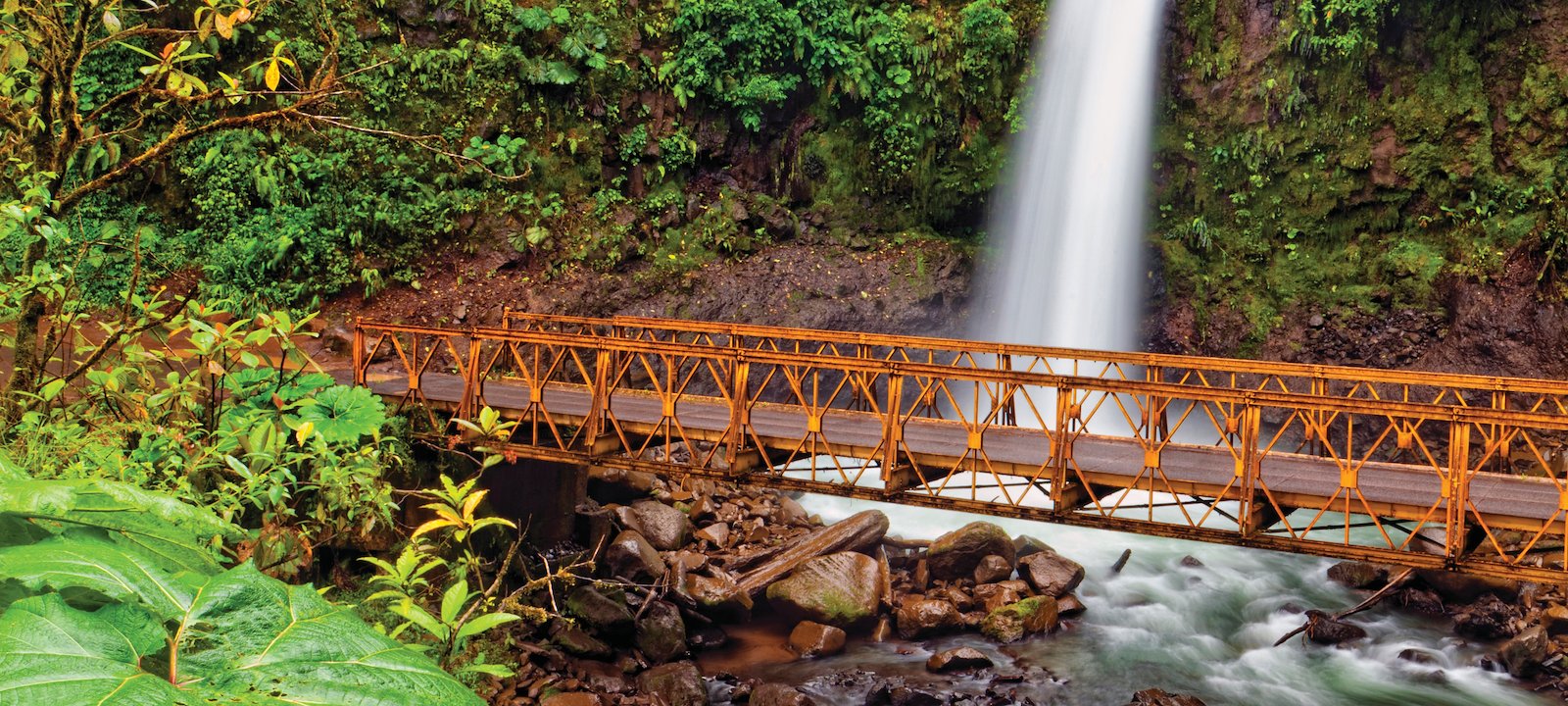
La Paz Waterfall Gardens Nature Park, Costa Rica.
Image credit: Pietro Canali/4Corners ImagesCentral America packs extraordinary variety into a narrow strip of land between the Pacific Ocean and Caribbean Sea. Colonial cities give way to cloud forests, volcanic peaks, coral reefs, and remote beaches, while ancient cultures and contemporary food and design scenes add intriguing layers to the journey.
Belize

Sergeant’s Caye on the Belize Barrier Reef.
Image credit: Brian Overcast/Alamy Stock PhotoMayan Ruins, Jungle, and Diving
English-speaking Belize stands apart from its neighbors thanks in large part to the Belize Barrier Reef, the largest in the northern hemisphere, along with three of the Caribbean’s four coral atolls and hundreds of islands.
Ambergris Caye is the most established base – fly to San Pedro for easy access to the reef and Hol Chan Marine Reserve. Snorkeling and diving reveal coral gardens populated by angelfish, rays, and sea turtles, while fly fishing remains a popular pursuit. The Great Blue Hole, one of the world’s most famous dive sites, can be explored by boat.
San Pedro is wonderfully relaxed, and that is its appeal. Explore the waterfront by golf cart or bicycle, then settle in at favorite spot Elvi’s Kitchen for chef Jennie’s Belizean-Mestizo cooking, including her much-loved coconut curry.
Be sure to combine the coast with the rainforest. The Cayo District shows you a very different Belize with forest, waterfalls, and cave systems surrounding the Mayan city of Caracol, one of the country’s most important archaeological sites. Drive through Yucatec Mayan villages edging the Mountain Pine Ridge Forest Reserve, where traditions remain part of everyday life, and local co-ops offer hands-on experiences, such as an Indigenous cookery class. You can also enjoy other adventures here, like zip-lining, horseback riding, and wildlife encounters.
Guatemala
Agua Volcano looms above Santa Catalina Arch in Antigua Guatemala.
Image credit: Giovanni Simeone/4Corners ImagesSpectacular Landscapes, Indigenous Heritage
Antigua Guatemala is one of Central America’s most atmospheric colonial cities. Its cobbled streets, colorful façades, and Baroque churches sit beneath a dramatic trio of volcanoes. Start at the Santa Catalina Arch and wander toward Parque Central. The appeal of this walkable city lies as much in its courtyards, cafés, and quieter streets as the headline sights and grand monuments.
Behind the heavy wooden doors of historic buildings, a new generation of restaurants, bars, and boutiques is reshaping the city. Antigua Brewing Company is home to Ulew, a relaxed speakeasy-style cocktail bar. For something more traditional, head to the Central Market for chicken pepián, a richly spiced Mayan stew. At Quiltro, the city’s first fine-dining restaurant, Michelin-trained chefs take a more contemporary approach, working with ingredients such as heirloom corn and cacao. Try a cacao workshop at El Comalote or visit Finca La Azotea, a coffee plantation dating back to 1883.
Beyond Antigua, Guatemala’s landscape quickly becomes more dramatic. The active volcano of Pacaya is accessible as a day trip, or take a three-hour drive through the mountains to the gloriously scenic Lake Atitlán. Set against steep volcanic slopes, each of the lake’s villages has its own character, with colorful murals, beautiful handicrafts, and locals in traditional dress. A private boat allows you to explore at your own pace.
Panama
Plaza Tomas Herrera in the Old Quarter of Panama City.
Image credit: Bogdan Lazar/Alamy Stock Photo A coffee plantation by the mountain town of Boquete, Panama.
Image credit: Karol Kozlowsk/AWL ImagesCosmopolitan Capital, Rainforests, and Islands
Panama City is Central America’s most cosmopolitan capital and a regional gateway that deserves so much more than a stopover.
Begin at Casco Viejo, where the restored colonial buildings, churches, and narrow streets are home to some of the city’s best restaurants, bars, and galleries. Walk the Cinta Costera or Calzada de Amador for a different perspective, with the ships waiting to transit the Panama Canal providing an ever-changing backdrop.
The city’s food scene has become increasingly sophisticated. At Nomé, chocolate-making classes turn local ingredients – including Geisha honey coffee – into delicious edible treats. Villa Ana 1928 offers an intimate, phone-free dining experience inside a restored mansion. The vibe here is more Roaring Twenties than 21st century.
Take a one-hour flight to David to continue into the Chiriquí Highlands, where the charming mountain town of Boquete is surrounded by cloud forest and coffee plantations, and offers access to Panama’s only volcano: Barú, the country’s highest peak.
The region is also the gateway to the country’s Pacific islands. Humpback whales pass through its warm waters on migration and, under the right conditions, bioluminescence illuminates the sea after dark: a reminder that Panama’s appeal extends beyond its famous canal.
Costa Rica
Wildlife and Ecotourism
Costa Rica, one of the world’s happiest nations, is deceptively small but every square inch is dripping with natural splendor, from wildlife to wild spaces. The country has built its reputation on nature, and it never fails to impress. Wildlife is everywhere, from sloths and monkeys to sea turtles, with an extraordinary range of ecosystems.
Costa Rica is a country where wildlife and landscape will always remain the main event
An anteater in Corcovado National Park.
Image credit: Ben Pipe/AWL Images Ltd Colorful scarlet macaws abound in Costa Rica.
Image credit: Marco Simoni/Awl Images LtdSan José is a useful launchpad for museums and access to the Central Valley’s coffee-growing region. A visit to Café Britt is highly recommended, offering an introduction to the country’s coffee culture before heading deeper into the mountains.
The cloud forests around Monteverde and Santa Elena are among Costa Rica’s signature landscapes. Further north, La Fortuna sits beneath the imposing Arenal Volcano; spend the day exploring in an all-terrain vehicle before settling into the thermal waters at Tabacón.
Liberia Airport is a gateway to Guanacaste province, where surf towns such as Playa Langosta and Nosara combine long beaches with sophisticated wellness and dining scenes. Las Catalinas offers a more polished alternative, with a car-free center overlooking the Pacific Ocean.
Costa Rica is a country where wildlife and landscape will always remain the main event – from the coral reefs and green-turtle nesting beaches of the Caribbean coast to the vast and spectacular wilderness of Corcovado National Park. Here, you will find one of the most diverse places on Earth, with secluded beaches and pristine rainforest that’s home to sloths, pumas, jaguars, and monkeys – as well as vibrantly hued butterflies and bird species, including scarlet macaws.
Nicaragua
Walk through a pedestrianized plaza to the colorful Granada Cathedral in Nicaragua.
Image credit: Fabien Astre/Alamy Stock PhotoA Wild Alternative
Nicaragua is staking its claim among its neighbors as a vibrant travel destination. The growth in ecotourism and a new coastal highway along the surf-edged Emerald Coast open up endless possibilities: colonial cities, volcanic landscapes, and surf beaches, remarkably unscathed by any mass tourism.
When visiting the Pacific coast, it’s easier to fly into Liberia in Costa Rica, and transfer by road into Nicaragua. The three-and-a-half-hour drive is a stunning vista of rugged trails, dense jungles, and colorful birdlife.
It’s that endless contrast that makes Central America such a rewarding region to explore
A dazzling sunset at El Gigante in Nicaragua.
Image credit: Mateusz Kanownik/Alamy Stock Photo The Solentiname Islands archipelago in the south of Lake Nicaragua.
Image credit: Hemis/AWL Images, Kevin W Quischan, Benedict Kim, Jessica SampleClose to the Costa Rica border, between the ocean and Lake Nicaragua, San Juan del Sur remains the best-known beach town, while neighboring Popoyo has a quieter identity dominated by surfing and nature. Spend the morning tide-pooling at Playa Guasacate, soak in the hot springs at Termales de Nahualapa, or settle in for a long lunch of home-style Nicaraguan cooking at Juanita’s.
Nicaraguan cities offer a different kind of experience. Granada is known for its colorful colonial architecture and lively streets, while León is more weathered and atmospheric, its faded façades and political history giving it a distinctive character. Both are within easy reach of the Pacific and the volcanic landscapes of the Cordillera de los Maribios mountain range.
It’s that endless contrast that makes Central America such a rewarding region to explore: colonial streets to cloud forests, Caribbean reefs to Pacific surf, and ancient Mayan sites to cities with a modern buzz. The landscapes, cultures, and flavors seamlessly connect, creating journeys that are as varied as they are memorable. Travel thoughtfully, using trusted hotel-arranged transfers, to experience the extraordinary culture, nature, and hospitality that this beautiful part of the world has to offer.