
Few cities can match Beijing, China’s capital, when it comes to extraordinary historical sites. Though China’s capital may seem modern from the outset, landmarks such as the colossal Forbidden City, dreamy Summer Palace, majestic Temple of Heaven, and, of course, the inspirational Great Wall of China reveal incredible stories from a civilization dating back 3,000 years. The architecture reveals hidden meanings: dragons signify power, raised thresholds discourage evil spirits, and roof styles denote the occupier’s rank. In Beijing, where Ming dynasty monoliths and ancient Taoist temples are orbited by awe-inducing modern architecture, such as the Bird’s Nest stadium, and quirky arts districts blend into buzzing entertainment hubs, take the time to explore and you’ll find true glimpses of the past.

Vivid Storytelling and Exquisite Stays for the Passionate Traveler
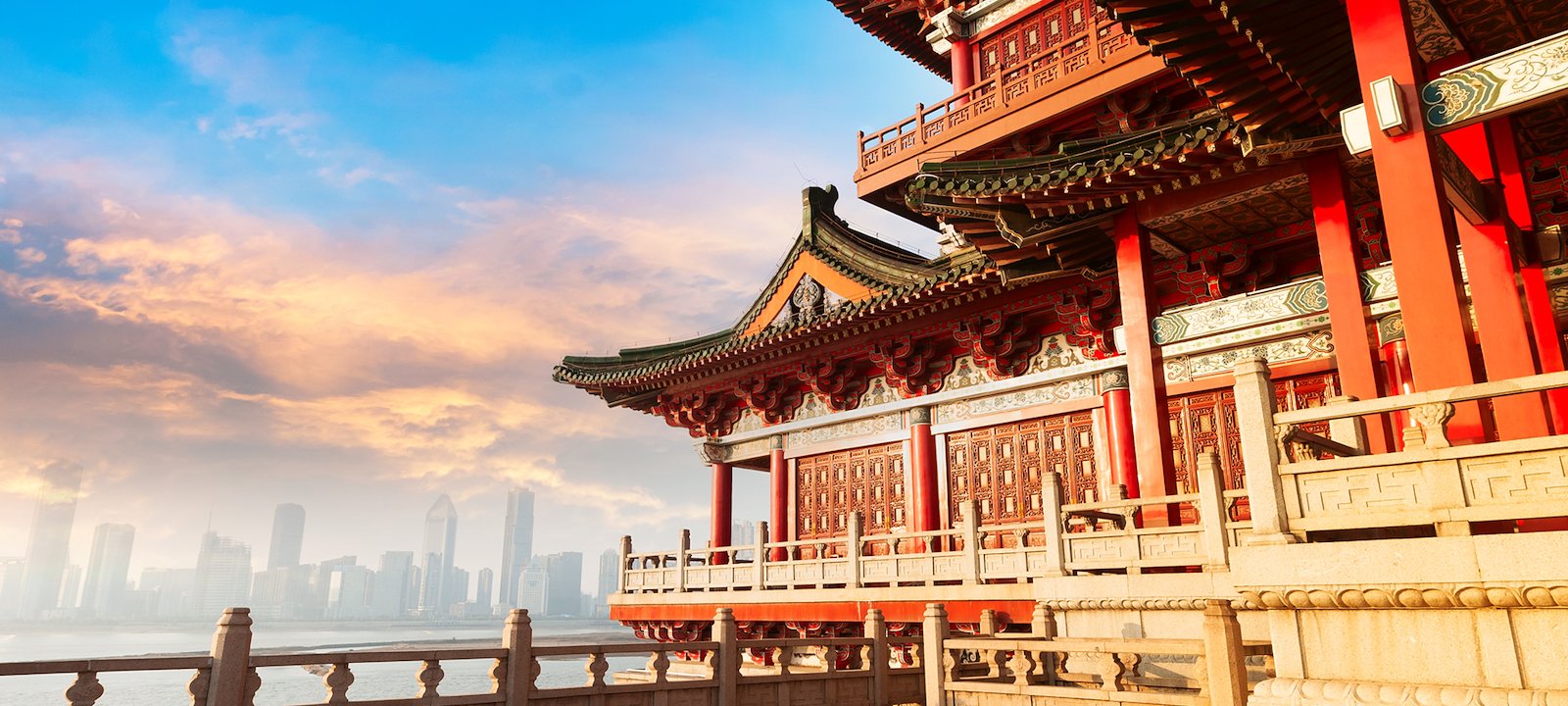

The same is true in many corners of China, where the mix of history and future is riveting. Shanghai, once known as the Pearl of the Orient, is one of Asia’s most glamorous cities. Here, lines of candy-colored Ferraris purr down the street as you crane your neck to glimpse the top of the Shanghai Tower, 125 stories of twisting glass and steel rocketing into the clouds. In its shadow lies The Bund, where brides in red princess dresses pose for pictures on the steps of Art Deco buildings, while up top Formula 1 drivers and visiting celebrities party at chic rooftop bars. A booming contemporary art scene provides a feast for art lovers. It’s a go-glam-or-go-home kind of town and fabulous fun, yet there are still winding streets and private gardens hidden among the high-rises. Find your way to the historic Huxinting Teahouse, an ornate pavilion perched over a lake, where locals still gather to play mahjong.
Despite measuring just 430 square miles, Hong Kong punches well above its weight: a financial dynamo, filled with eye-popping architecture, verdant country parks, and a culinary and art scene to behold. Outdoor tai chi forms a part of daily life, and everyone should try it. Simply join any group you like the look of. Make time also for Kowloon’s enchanting Bird Market, where elderly Chinese men stroll with their birds in bamboo cages and sit socializing with friends as their avian companions sing. Hong Kong is also home to more than 250 islands, many uninhabited, where you can escape the bustle and discover a serene, more traditional way of life. Relax on sandy beaches, try watersports, or have a fresh fish dinner.
The capital of Sichuan province, Chengdu boasts ancient temples and sprawling national parks, but it’s really the city’s adorable panda population that everyone comes to see. Around 1,600 of the black and white bears are thought to roam the surrounding mountains, but the elusive animals are virtually impossible to spot in the wild. Instead, make your way to the leafy Chengdu Research Base of Giant Panda Breeding, on the outskirts of the city, where visitors learn about animal conservation through interactive exhibitions, while observing more than a hundred fluffy panda bears lolling in bamboo groves.
In 1974, the 3,000-year-old city of Xi’an was catapulted onto the world stage when a farmer struck upon what was to be one of the world’s greatest archaeological discoveries: the Terra Cotta Army, a life-sized battle-ready army fashioned from clay. From its first uncovering, this extraordinary find has been spellbinding. Nearly 50 years later, some 8,000 soldiers, horses, and chariots, each with their own individual features, have been excavated, a fraction of the total number expected to eventually be discovered. Recover from the magnitude of the site by visiting the smaller Xi’an Museum of artifacts, or challenge yourself to sample the wide variety of dim sum for which the city is renowned.
Just 27 minutes from Shanghai Station on a high-speed train, and equally easy to visit by boat or car, Suzhou feels a world away from the neighboring metropolis. Divided north to south by the Beijing-Hangzhou Grand Canal, almost half of the sixth-century city is made up of waterways, lakes, and streams, earning it the moniker of “the Venice of China.” Once a favorite retreat of emperors and intellectuals, its canals are crisscrossed with dozens of picture-perfect water towns. Seek out intimate gardens, such as the Lingering Garden, for tranquility. Admire water features, listen to traditional Pingtan music, or relax in a traditional teahouse.
Visit Guilin and the surrounding southern Guangxi province countryside and you’ll feel as if you’re stepping into a quintessential Chinese watercolor: towering limestone karsts are mirrored in calm lakes, meandering waterways run into yawning caves, and jade-green rice paddies tumble down the mountainside. Adventurous types can go rock climbing or zip-line through the forest. Less-strenuous activities include soul-soothing hill walks.
Planning Your Trip
China will always inspire travel dreams. Weatherwise, it’s best to visit in spring or fall, when temperatures hover in the mid- to late 70s Fahrenheit and there’s more chance of clear blue skies. An extensive network of flights and high-speed trains make getting around a breeze; just take care to avoid the big Chinese holidays when everywhere is busier.
This article was originally published in 2022, when travel to China was subject to COVID-19-related restrictions. The content has been updated to reflect current conditions. For the most accurate and up-to-date travel information, please consult official sources.