
The drink of choice in nations around the world offers a unique insight into its customs, trends, and tastes

Sign Up for Preferred travel’s free newsletter
Vivid Storytelling and Exquisite Stays for the Passionate Traveler
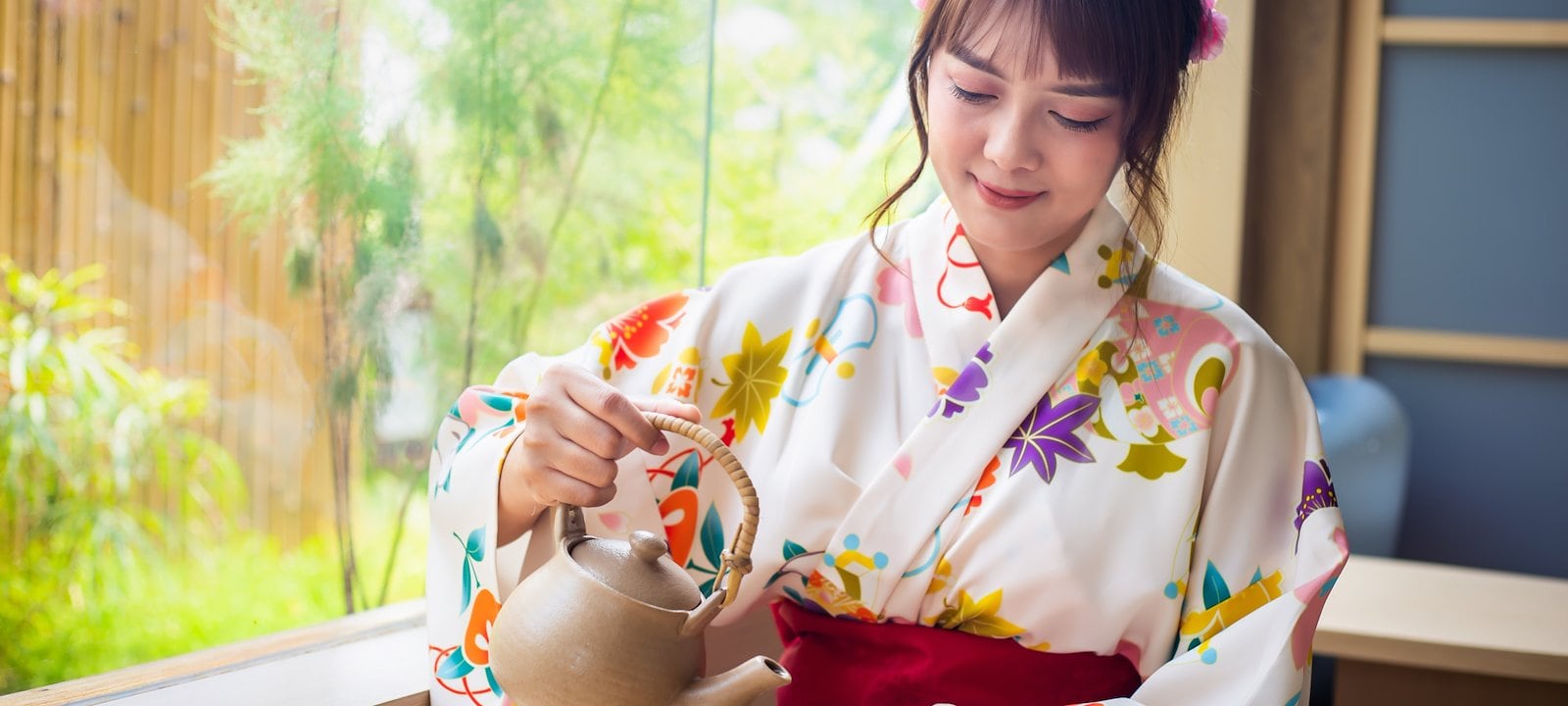
Tea. This modest word evoking the world’s favorite beverage actually conjures up a thousand different images: sipping scalding cups of scented oolong in Shanghai; a ritual serving of matcha green tea in Tokyo; a cup of sweet, milky chai in Calcutta (now known as Kolkata); a copper Russian samovar (urn) slowly stewing concentrated zavarka tea; a waiter theatrically cascading fragrant mint tea in Marrakech; and sharing Turkey’s intense brew in tulip-shaped glasses while haggling in Istanbul’s Grand Bazaar.
And then there is Britain, where “a nice cuppa” has become nothing less than an integral part of the national identity, whether it be tea bags or teapots, delicate Darjeeling, perfumed Earl Grey, or a steaming mug of Tetley black tea. Following the origins, history, and traditions of tea drinking is to embark on an extraordinary voyage around the globe.
The journey begins in China, with legends recounting the earliest reports of Camellia sinensis leaves being infused in boiling water and drunk first for medicinal reasons, then for pleasure, more than 4,000 years ago. The Japanese tea ceremony originated after Zen monks brought precious tea seeds from China in the Middle Ages, and then the rest of the world discovered this magic nectar via caravans on the Silk Road, traversing Asia and the Middle East. Then, from the 17th century, the trading fleets of Portugal, the Netherlands, and England carried tea to Europe.

To get a feeling for Cha Dao, “the Way of Tea,” in China, sit down at a traditional dim sum dinner, where aficionados line up tiny teacups, allowing one to cool, one to steep, and a third to pour back into the pot to stew. The popular flavors of the day are aromatic lapsang souchong and oolong, robust red and delicate green, perfumed jasmine, and pu-erh, the choice of connoisseurs – a fermented, aged blend sold in round nest-like bricks with some vintages, like a fine wine, fetching hundreds, if not thousands, of dollars.
In Japan, the ritual is centered on guests sitting on tatami mats in a formal chashitsu teahouse, and sharing a rich brew of matcha, finely ground green tea, from a stylized chawan bowl. The experience is transformed, often over several hours, into an aesthetic Zen encounter that promotes harmony, respect, purity, and tranquility.
Although India grows some of the most highly prized varieties of Darjeeling and Assam in its scenic hill station estates, the essential tea-drinking experience is on the street, where everyone can afford a glass of masala chai sold by roadside chai wallahs (tea vendors). Although tea plants were grown in India centuries ago, it didn’t become a popular drink until the British decided their favorite colony was the perfect location for plantations to supply the huge demand at home rather than importing from China.
Indians soon fell under the charm of this elusive elixir, making the drink their own with intense Assam leaves simmered for at least five minutes with milk, sugar, and spices, a secret blend created by each wallah using a mix of ginger, cardamom, cinnamon, and cloves, supplemented by anything from fennel seeds and nutmeg to star anise.
While tea drinking in Britain could never be compared to the stylized ceremony of Japan, it is just as much a sacred ritual. Whether accompanying a lavish afternoon tea of cucumber sandwiches or the daily breakfast brew, tea lovers follow the solemn rite of heating a teapot with boiling water, steeping the tea leaves, then pouring fresh cold milk into the cup before adding the tea. Why milk first? The custom dates back to the earliest wealthy British tea drinkers in the 17th century, who served cold milk first to prevent the boiling tea from cracking their delicate Chinese porcelain cups.
While Britain boasted an empire where the sun never set, its insatiable demand for tea had far-reaching consequences. From India to Sri Lanka, Kenya to Malaysia, the British planted massive tea plantations. They exported their love of tea to America, and the famous Boston Tea Party, when settlers dumped a cargo of highly taxed tea into the sea, became a key trigger in igniting the Revolutionary War, which eventually saw Britain lose one of its colonial jewels. A lot more than a storm in a teacup.