


Dotting the Pacific Ocean some 600 miles from the mainland, the Galápagos archipelago is out of this world. How these volcanic islands became home to the world’s most unique and unusual assemblage of creatures that represent both polar and tropical latitudes is a wonder.
Cold-water species such as sea lions, penguins, and fur seals live incongruously alongside iguanas and turtles more typical of warmer climes. Millions of years of isolation have seen many evolve into island endemics; and with most having no fear of people, it feels as idyllic as when Charles Darwin arrived in 1835.
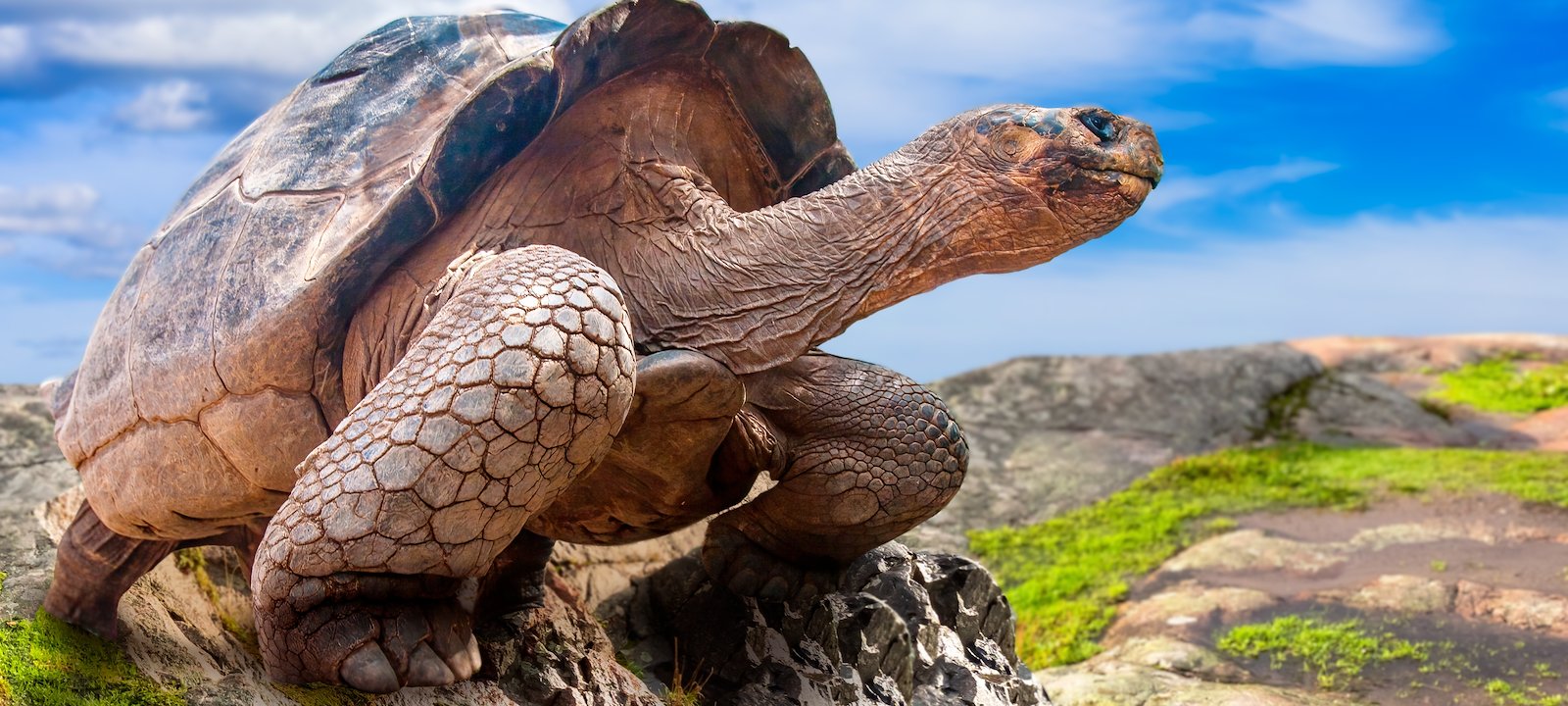
Darwin’s Galápagos sojourn helped to develop his theory of evolution and the species he studied — finches and mockingbirds — are easily seen here still. More impressive are giant tortoises — most often seen on Santa Cruz — and the likes of land iguanas and stubby-winged flightless cormorants. Among the pinch-me moments one might expect from meeting such iconic animals are the sea lions reclining on waterfront benches in the main town of Santa Cruz, Porto Ayora, or marine iguanas sunbathing beside a busy dock. But the most magical of encounters are so often the unexpected: snorkeling with penguins, looking a blue-footed booby in the eye, or watching short-eared owls hunt under golden hour’s glow.