
Mexico’s most famous spirit offers a surprisingly broad variety of flavors, suitable for every palate

Sign Up for Preferred travel’s free newsletter
Vivid Storytelling and Exquisite Stays for the Passionate Traveler
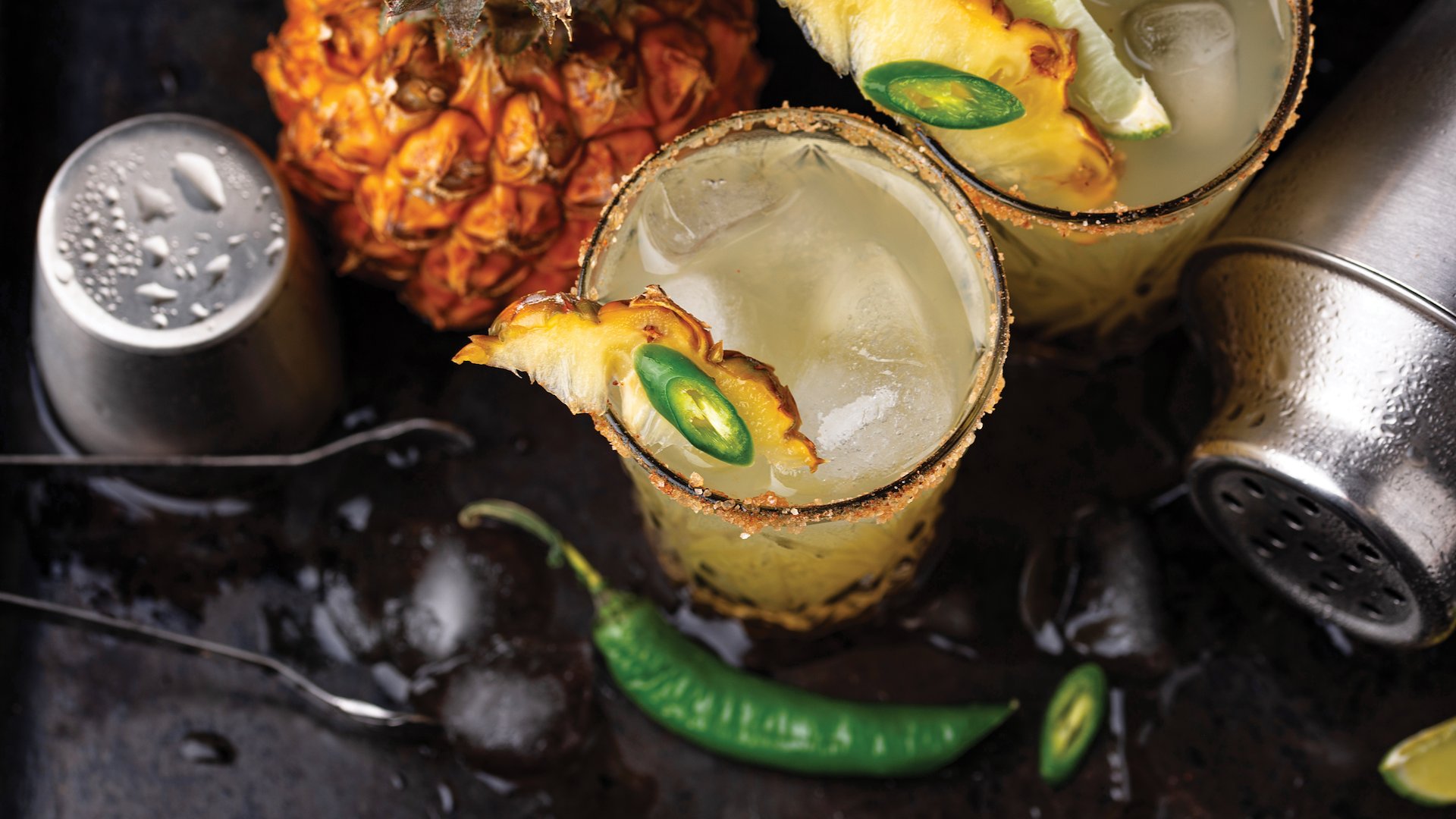
Tequila has much to offer the connoisseur and evaluating it is just like tasting wine or whiskey. Start at the nose, taking in the aromas and identifying those that are especially pleasing. Then sip gently, and allow the spirit to roll slowly over the tongue. Assess it for flavor as well as texture and balance. An excellent tequila has weight and silkiness, with each note working together toward a cohesive whole.
Comparisons across different tequila styles, or even several tequilas within the same category, can be illuminating and help drinkers dial into the flavor profiles they most enjoy. Mixing it up by trying this premium drink in different ways – sipped neat, on the rocks, or diluted with water – reveals additional layers of flavor and aroma. It can be thrilling to discover a tequila you thought you knew is hiding untold depths. There’s no wrong way to enjoy this drink, and finding the one you like best is nothing but a pleasure.
There are three main styles of tequila. Blanco is unaged or minimally aged (up to 59 days) and highlights the purest agave flavors: everything from peppercorns to pineapple. It is typically used for cocktails, but also enjoyable neat, on the rocks, or topped with soda and a lime wedge in a ranch water cocktail. Some of the most delicious blancos include Alma del Jaguar, El Tequileño, Valor, and Lalo.
Reposado tequila has been aged for at least 60 days and up to a year. It offers a middle ground between the sharp clarity of blanco and the richness of añejo, balancing agave notes with the sweetness and spice of oak. Standout reposados include Cazcanes, El Tesoro, and the striking pink Komos.
Añejo tequila has spent at least one year in a barrel, and up to three. It may closely resemble other aged spirits like bourbon, Scotch, and cognac – though always with the distinct underlying character of agave. Among the many excellent añejos are ArteNOM, Ocho, and Partida.
There are also extra-añejo tequilas, which are aged more than three years, as well as an emerging style called cristalino, which is aged tequila that has been filtered to remove its color. It retains some of the flavor notes from aging and often boasts a lighter texture. Some exceptional cristalinos are Mijenta and Código. Don’t forget about mezcal, a cousin of tequila, often smokier and with a wider range of flavors.
Culinary Combinations

Sal de gusano – worm salt – adorns the rim of a glass of mezcal.
Image credit: Ganna Zelinska/ShutterstockPairing tequila with food only adds to the pleasure – Mexican cuisine is an especially apt match. What grows together goes together, after all. Mexico is a leading citrus grower, making variants like lime, grapefruit, and orange perfect matches. Smoked salt, sea salt mixed with tajin seasoning or, for the adventurous, sal de gusano – salt mixed with ground agave worms – also pair well.
Tequila makes a surprisingly excellent partner for many cured meats and cheeses. Blanco tequila, with its clean palate, is an excellent foil for strong-flavored cheeses like Roquefort, but also works well with a creamy Brie or mild cheddar. Reposado and añejo tequilas stand up nicely to aged Gouda, Parmigiano-Reggiano, and smoked cheeses. And it’s downright perfect for chocolate and creamy desserts, its bright flavors and acidity providing a foil for the rich sweetness.
Cocktail Blends
Of course, tequila has a natural home in the cocktail canon. How about a smoky margarita? Simply sub in your smoky mezcal of choice to a traditional margarita recipe with fresh lime juice, agave syrup, and triple sec. But tequila, especially añejo and extra-añejo, is equally at home in an old fashioned, where the spirit is front and center.
Tequila’s popularity is leading to many creative uses, like swapping it in for vodka in an espresso martini – add some Licor 43 to make it a carajillo – or in a Bloody Mary, making it instead a Bloody Maria. Bartenders are becoming wildly creative with tequila, using it in every type of cocktail from simple spritzes to complex tiki drinks. Highlights include the Destroyer – a mix of tequila, Dubonnet Rouge, and blood orange liqueur – and the Buena Fortuna, which combines tequila, apple brandy, lemon and lime juices, ginger, and pomegranate-piloncillo syrup.
Tequila can be herbal and sharp, earthy and round, spiced, sweet, and even smoky. Dedicating time to exploring the array of tequilas can be a worthwhile hobby, but even casual pursuit is rewarding.
When traveling to Mexico and wanting to take tequila home, look for Maestro Tequilero, Reserva de los Gonzalez, and Aha Toro. Pour a glass and add some ice . . . tequila is the drink to enjoy at the end of the night, savoring those wonderful rich flavors. Salud!
Agave-Based Beverages
The roots of tequila are in the agave plant. The Indigenous people of Mexico made alcohol from agave thousands of years ago, fermenting its sap into a low-octane drink known as pulque.
When Spanish colonization began in the 16th century, Europeans brought knowledge of distillation. By the early 1600s, large-scale distilling was taking place, eventually growing into one of Mexico’s biggest and most profitable industries. Today, tequila production – like Champagne in France and Scotch whisky in Scotland – is geographically limited to certain parts of Mexico and is governed by the Consejo Regulador del Tequila (CRT).
By law, only the blue agave can be used for tequila. It takes five to seven years for the plant to mature before it can be harvested. Nearly all blue agave is farmed, which helps the farmer and distiller better ensure the plant’s quality. Although some tequilas, called mixtos, start as a combination of agave and other fermentable sugars, the best tequilas are made only with agave and showcase the pure notes derived from the plant.
Mezcal is a cousin of tequila, produced in several Mexican states, and also made from agave – but not blue agave. Mezcal distillers may use more than 30 varieties of agave, many of which are wild grown. Artisanal mezcaleros use traditional methods, such as cooking the piñas (the heart of the agave plant) underground, grinding them with a stone wheel called a tahona, and fermenting with wild yeast in wooden tanks. Ancestral mezcaleros go even further, distilling the spirit in clay pot stills rather than copper.
Mezcal is often, but not always, smoky, and showcases an even wider array of flavors than tequila, thanks to the diversity of agave it can use. Nearly all mezcal is decidedly non-industrial, making it more limited and usually more expensive than tequila. Mezcal may be offered in blanco, reposado, and añejo variants, as well as the far less common, but intriguing, pechuga, which is distilled with fruits, herbs, and meat such as rabbit, chicken, or iguana.
Some well-regarded mezcal brands include Del Maguey, Montelobos, Ilegal, and Rey Campero.