Take time to explore the capital of the Philippines, a bustling city that is a rich cultural hotspot

Sign Up for Preferred travel’s free newsletter
Vivid Storytelling and Exquisite Stays for the Passionate Traveler
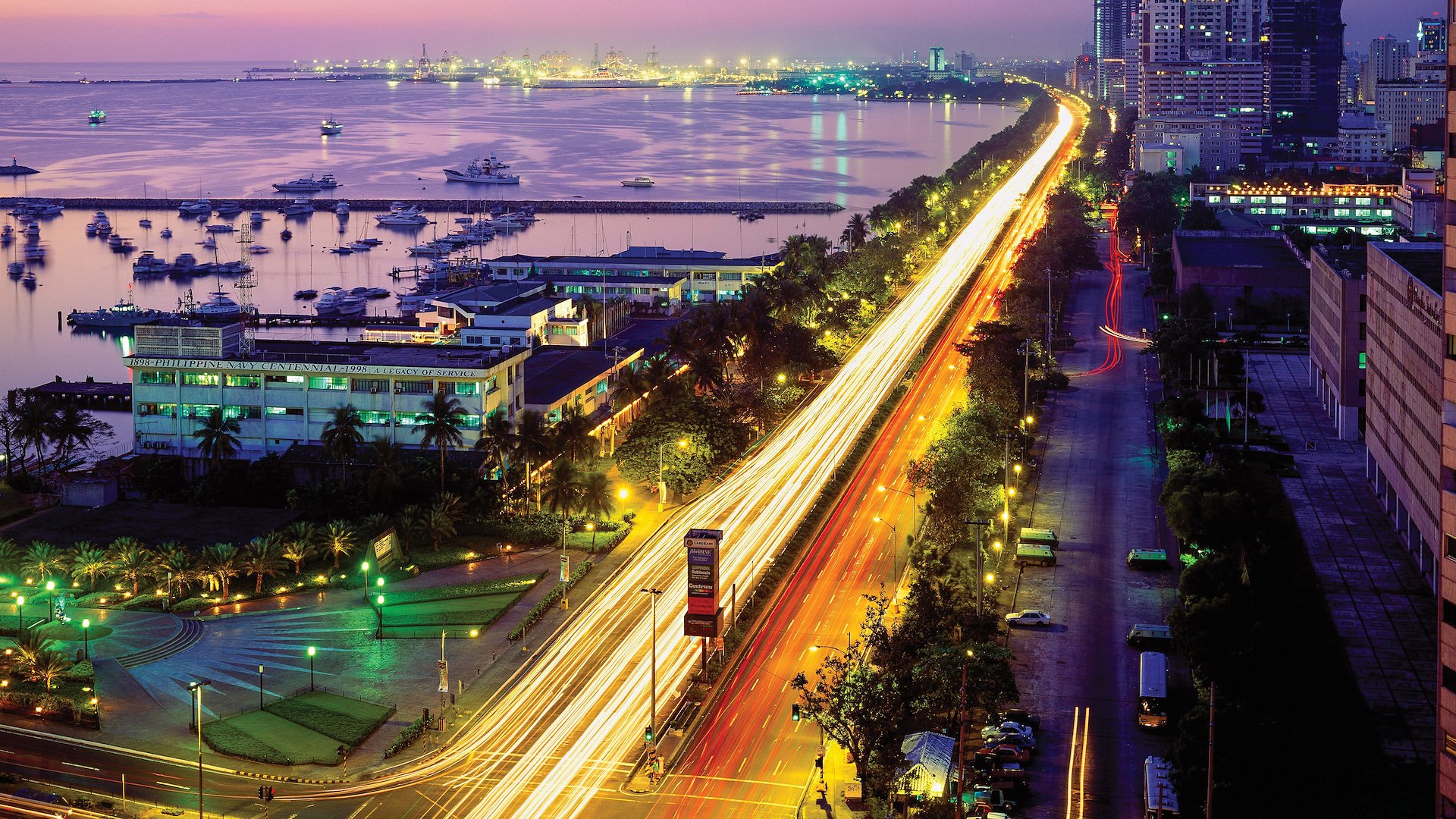
Manila is the perfect destination in the lead-up to Christmas. The Philippines is one of only two Catholic-majority countries on the continent – come here to see Spanish-era churches and ancestral homes festooned with lights and lanterns from early fall.
Day 1: See Manila's Glamorous Side

Morning.
Soaring skyscrapers sit alongside the capital’s cultural heritage in Makati, the Philippines’ financial center and home to Ayala Museum. The museum’s anthropological collection has woven garments, mother-of-pearl inlaid weapons, and fabulous gold jewelry. At restaurant chain Manam, savor a taste of the ube (purple yam) shake and the sour soup known as sinigang.
Afternoon.
Malls in the Philippines aren’t like those in the United States and Europe; here, they’re more like cultural centers with exhibitions, event spaces, churches, great restaurants, and native food courts. At Greenbelt 5 you’ll find Indigenous-inspired clothes and homeware at Pinas Sadya and woven bags at Zarah Juan. As the sun dips below the horizon, view the sparkling festive lights at Ayala Triangle Gardens.
Evening.
Experience the famous nightlife of the Poblacion neighborhood. There are craft beers and pulutan (bar food) at Alamat. Try the sisig, boiled pork with aromatics and calamansi citrus. The Spirits Library is a speakeasy reimagining Filipino food and cocktails, with live jazz and blues bands playing several times a week. Sample the Douhua, based on taho (a soy, sago, and brown sugar street snack).
Day 2: Explore Filipino Heritage
Morning.
The medieval walled city of Intramuros, founded by the Spanish in 1571, is the beating heart of Manila. Admire the fine wood carvings at Casa Manila, a faithful recreation of an 1850s colonial home. Hire bamboo bikes from Bambike next door to get around easier. Past Fort Santiago and the Neo-Romanesque Manila Cathedral, cobbled lanes are garlanded with pretty parol, star-shaped festive lanterns made from Capiz oyster shells. At Barbara’s Heritage Restaurant, the adobo – pork and chicken in a vinegar marinade – is a specialty.
Afternoon.
Wander with locals at bloom-filled Rizal Park to see monuments that tell the life story of Philippine national hero José Rizal, a writer and polymath who advocated for better representation of Filipinos in the Colonial era. Around the park’s northeastern end are three National Museums: Natural History, Anthropology, and Fine Arts. The latter is home to the vast Spoliarium by Juan Luna, considered one of the greatest works of Filipino art.
Evening.
The gilded arch at Binondo is the entrance to the world’s oldest Chinatown, where you’ll find a medley of Filipino- Chinese flavors. Be sure to try the lumpia (deep-fried spring rolls) and siopao (sweet pork buns). Delicious Restaurant has many types of pancit noodles.
Day 3: Immerse Yourself in Art
Morning.
One hour away from the city is Rizal province, home to beloved artists past and present. Pintô Art Museum has seven expansive galleries of contemporary paintings and sculptures. Set in beautifully landscaped grounds in the rolling hills of Antipolo, discover sculptures, fine art, and installation pieces. The café makes an excellent flaked chicken adobo.
Afternoon.
In the town of Angono, art is everywhere – there are wall carvings along Doña Aurora Street and murals splashed on the interiors of Saint Clement Parish. The Blanco Family Museum displays the evocative rural paintings of Jose V. Blanco, his wife Loreto Blanco, and their talented children – all seven of them are artists.
Evening.
Back in Manila, at the SM Mall of Asia, try kare-kare – a peanut and oxtail stew – at Mangan, which specializes in cuisine from Pampanga, north of Manila. There are fireworks displays on Saturdays and Sundays throughout December which shouldn’t be missed. Filipinos really know how to put on a show.